A (Much) Older Example of Social Housing Than Vienna
History often feels like a depressing account of the worst things people can do to each other. But a recent book contains reminders that nothing is inevitable, and sometimes people have done better than we’re doing now—even in terms of housing and social equity.
Read the Article
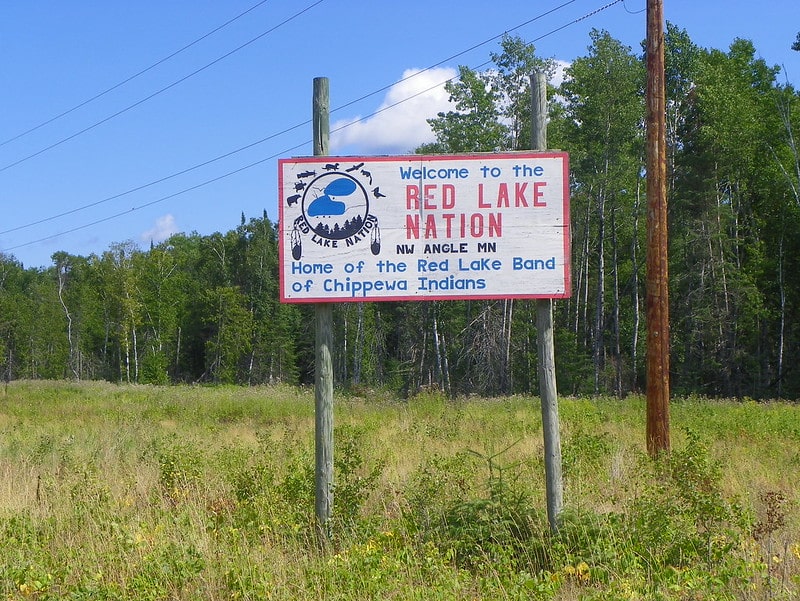
Tribal-Sponsored Development Offers Housing and More in Minneapolis
A hub for health care, social services, and community, the Mino-Bimaadiziwin apartments meet the unique needs of urban Native Americans while enriching the surrounding community.
Read the Article

Trying to Transform Squats into Public Housing in São Paulo
In São Paulo, vacant housing units outnumber the unhoused, 12 times over. Across the city, residents have responded by seizing abandoned buildings to turn them into affordable housing. Will the government step up to convert these buildings into public housing?
Read the Article

Shelterforce Weekly
Like what you’re reading? Subscribe and make sure you get new articles and more in your inbox every week.
Explore by Topic
All Articles
See All Articlesfilter by Topic
filter by Content Type
search by Keyword
filter by Date Range
sort by Date

Why Combining Community Land Trusts and Limited-Equity Cooperatives Benefits Residents
A church with a shrinking congregation sold its land to SquareOne Villages to develop the Peace Village Co-op, a 70-unit housing development that’s both a community land trust and limited-equity co-op. How does combining these shared-equity homeownership models work?

Her Story, Her Power in Community Development: A Shelterforce Webinar
Five women from diverse backgrounds who span the country—Missouri, New Mexico, Hawaii, California, and Texas—got together with Shelterforce to talk about the community development field and their work in it.

Targeting First-Generation Homebuyers Is a Great Way to Direct Downpayment Assistance—And It Could Be Better
The proposed program could shrink the racial homeownership gap while serving a wide cross-section of people. But it only addresses some of the results of past discrimination.

Soaring Property Insurance Rates Threaten Affordable Housing Development
Rapidly rising insurance premiums are forcing affordable housing developers to cut back on programming, lay off staff, and even sell. To add insult to injury, some insurers also seem to be adding penalties or withdrawing coverage for housing voucher holders.

Blockbusting the Big Boys: Bill Would Ban Hedge Funds from Owning Single-Family Homes
The End Hedge Fund Control of American Homes Act is an ambitious attempt to keep private equity’s influence out of single-family homes. If passed, the bill will need ownership transparency to be effective.
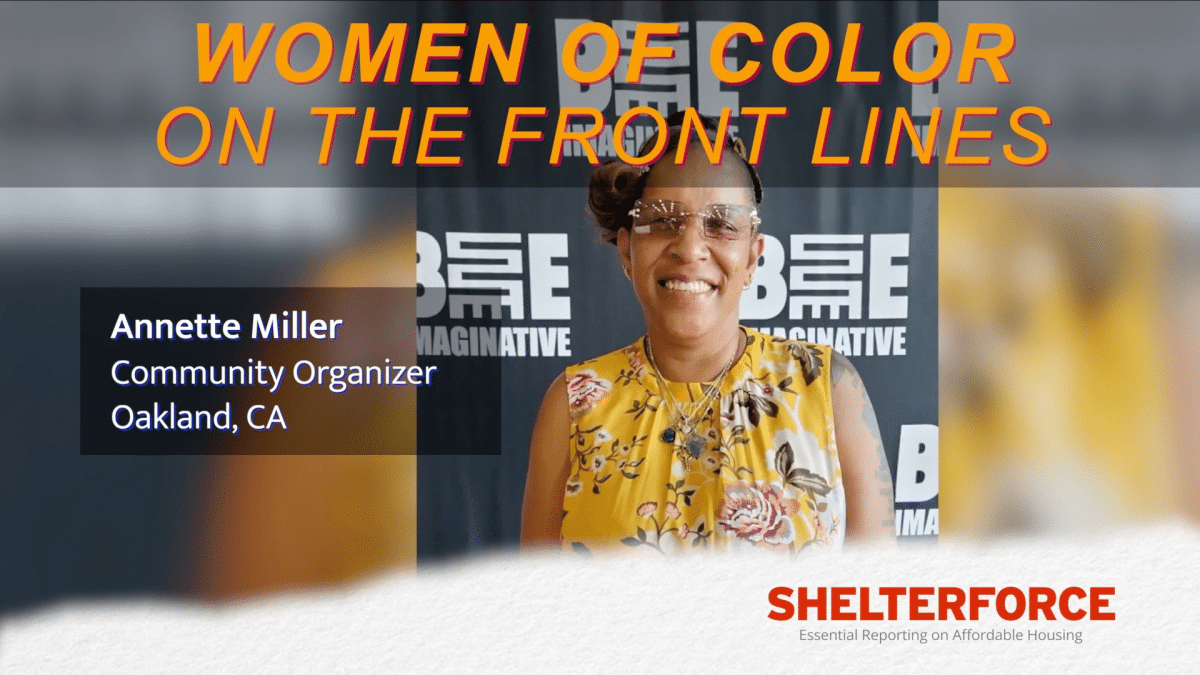
A Catalyst for Change in Oakland: Annette Miller
Community organizer Annette Miller has turned personal tragedy into a force for good. This video is part of Shelterforce’s Women of Color on the Front Lines series.
Featured Under the Lens
LIHTC: The Good, the Bad, and the Very Complicated
LIHTC: How It Started, How It’s Going

How Are LIHTC Rules Enforced—And How Well?

Can Residents Get More Out of Tax Credit Housing?

How to Reform the Low-Income Housing Tax Credit Program
Webinars
See All Past Webinars-
 Community Development Field
Her Story, Her Power in Community Development: A Shelterforce Webinar
Five women from diverse backgrounds who span the country—Missouri, New Mexico, Hawaii, California, and Texas—got together with Shelterforce to talk about the community development field and their work in it.
-
 LIHTC
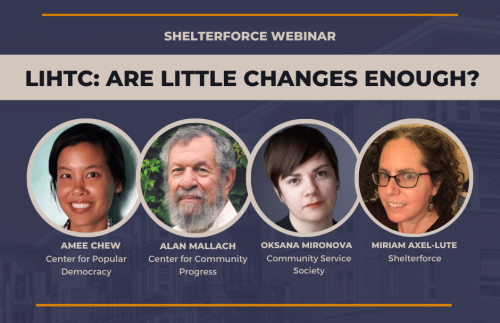
LIHTCLIHTC: Are Little Changes Enough? A Shelterforce Webinar
There are reforms and expansions of Low-Income Housing Tax Credit afoot. But some in the field argue that we need to change the tax credit model of financing housing more deeply—or move away from it entirely. Join scholars and organizers as they discuss these issues and explore a path forward.
-
 Disability
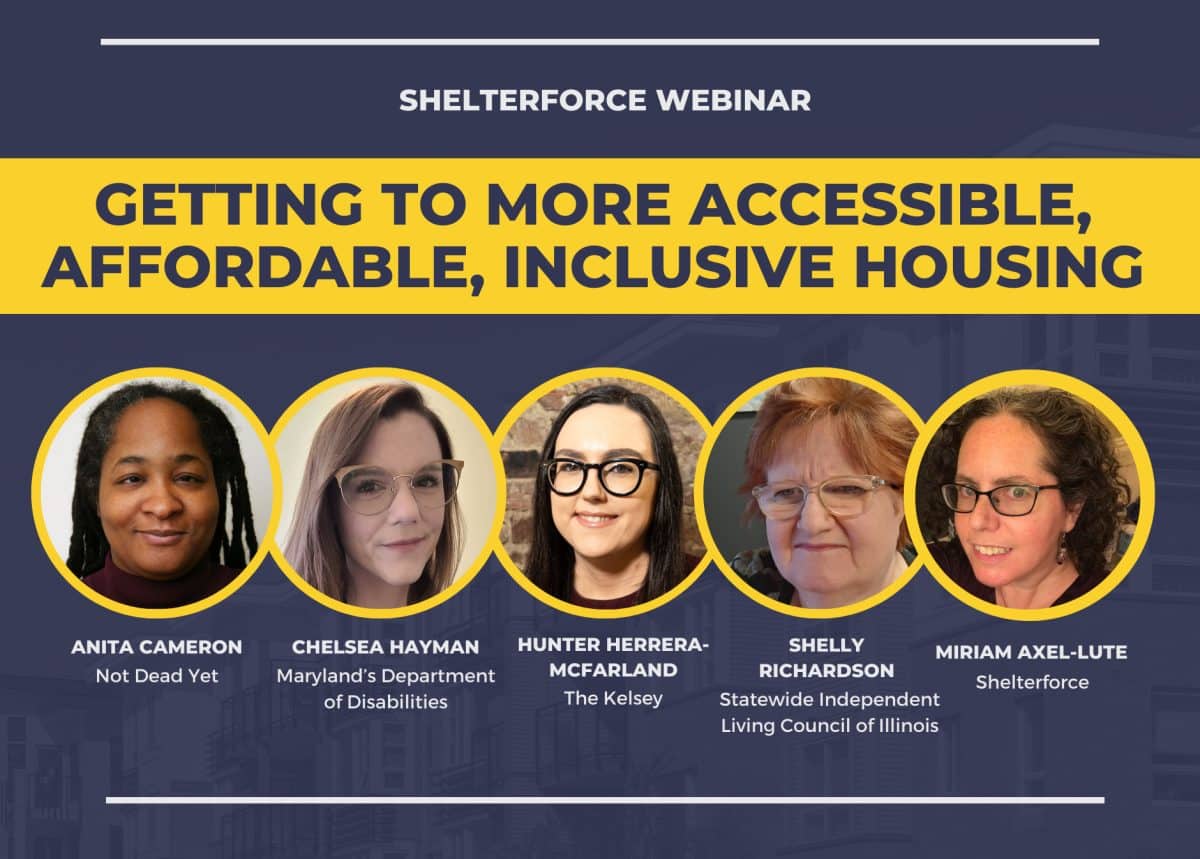
Getting to More Accessible, Affordable, Inclusive Housing, a Shelterforce Webinar
Four disability advocates and experts explain what’s needed to house Americans with disabilities and some of the work that’s being done to get there.
-
 Housing
A Critical Look at the Section 8 Program, a Webinar
In September, Shelterforce’s Shelby R. King was invited to participate in a virtual “Housing Hangout.” Panelists discussed the history of the Section 8 program, its strong points and failings, and ideas for large-scale reforms.

Job Listings: A Shelterforce Resource
See all Listings